Rajasthani cuisine has everything one would come to expect from a state with history as rich as it has. From appetizing savory dishes, to mouth-watering sweets, to tongue-tingling pickles, Rajasthan has everything to make it the paradise of food lovers. Want some proofs? Well, here they are.
- Ker Pickle
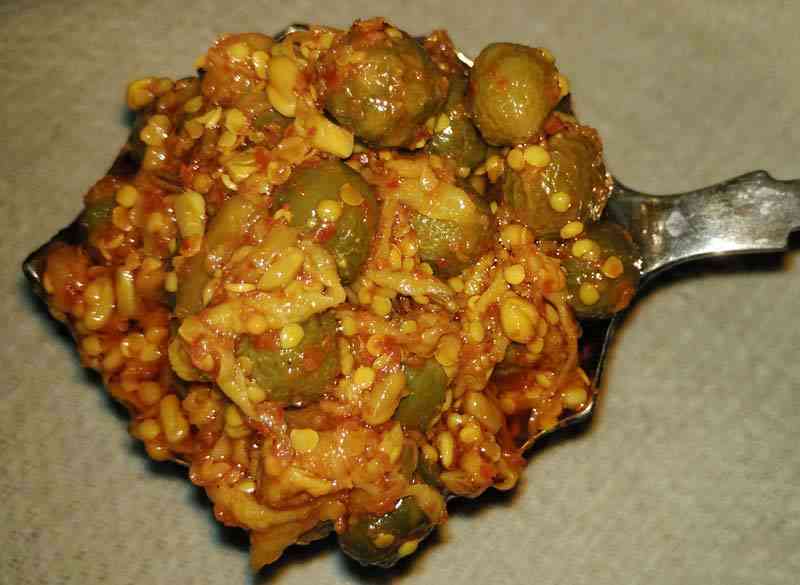
Ker, tiny succulent berries that grow in the warm dry regions of Rajasthan, is nothing short of a boon for the inhabitants, a fact that most of the Rajasthanis appreciate. The fruit, once ripened, can be eaten raw. However, the berries are mostly consumed after being cooked or pickled. In fact, the ker’s pickle (known in local language as Ker ka achaar) has acquired the role of the exclusive Rajasthani pickle; and why not too? The pickle gives off all the tastes that any Rajasthani would admire. It’s soft skin and pulp simply melts in your mouth, leaving a tangy sour taste on your tongue, and a craving to have more of it in your throat. Hmm, on a second thought, Rajasthanis would not be the only people who would admire a good serving of this appetizingly aromatic and delicious ker ka achaar.
- Lesua Pickle
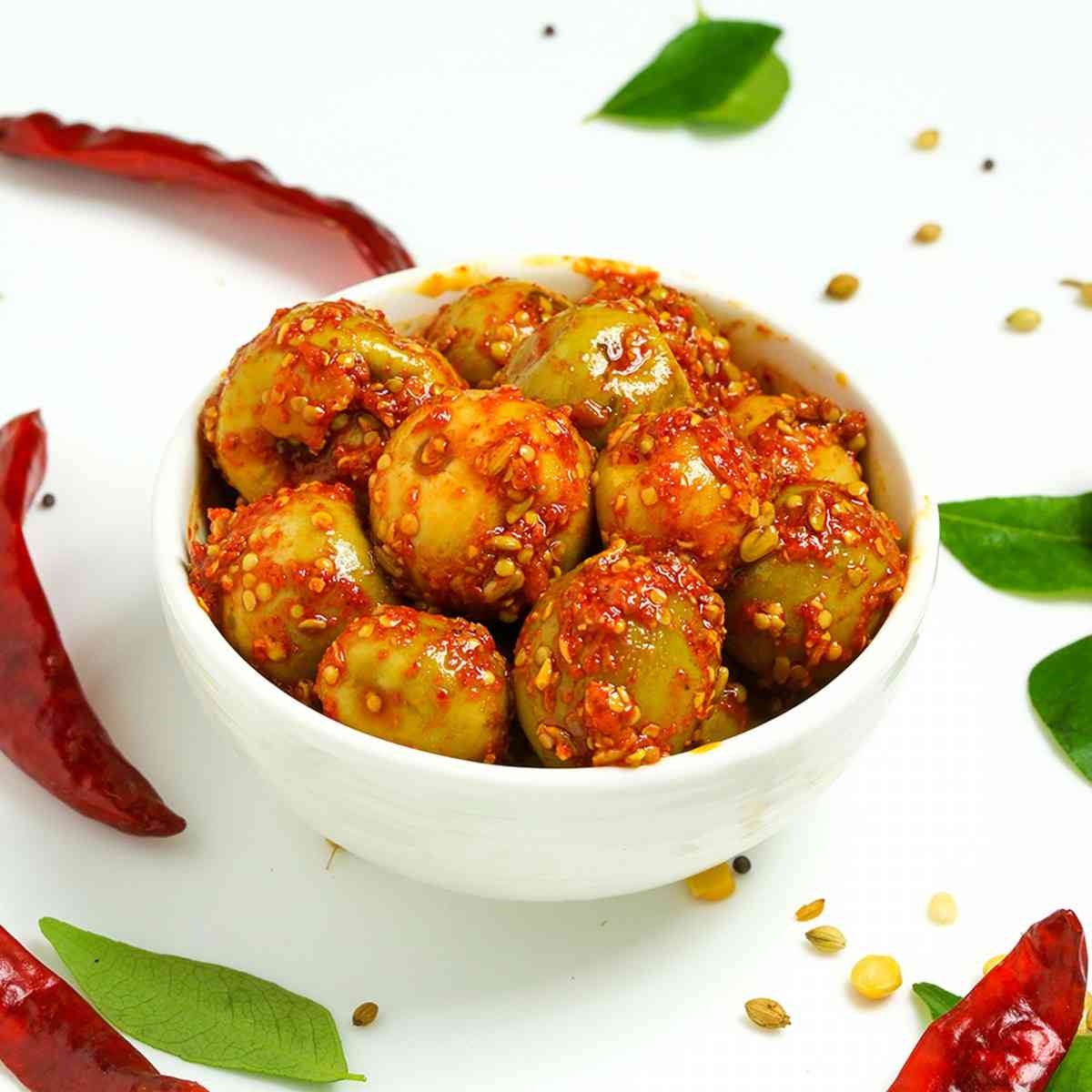
This Rajasthani pickle has as many names as a pickle can have. Made of gum berry (bird lime), the pickle is famous with the names Lesua, Gunda, or Lasoda achar in Rajasthan. Highly glutinous, Lesua pickle are believed to posses astringent qualities. Other benecial health agents associated with Rajasthani Lesua are anti-inflammatory, hypotensive, anti-ulcer, anti-bacterial, and anti-diabetic. It is hard to imagine an edible that can have all these health benefits, and a delectable taste, for indeed the sour taste of Lesua, heightened with the normal pickling process is so appetizing.
- Sangri Pickle
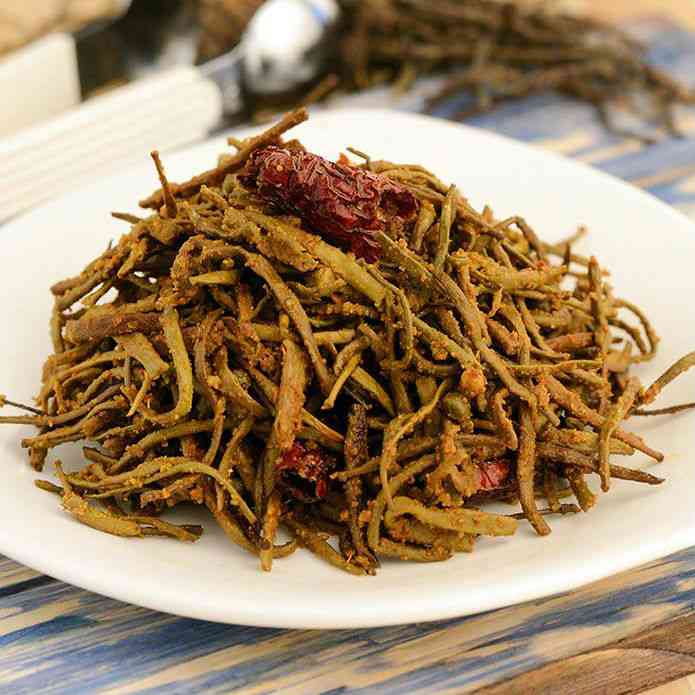
Where most plants fail to survive, Khejri tree leads a thriving existence in Rajasthan, making the lives of the people there easier. It is, in fact, the state tree of Rajasthan that produces the famous ‘Sangri’ pods of Rajasthan. Sangri are those long beans that were the source of existence for the people of Rajasthan during the great Indian famine. Though famine had long left the Marusthali, denizens still have almost reverent regards for the tree. Sangri, once dried, has really long shelf life, and same can be said for when it is pickled. Unlike regular pickles, Sangri is not as sourer as it is spicy.
- Hari Mirch ke Tipore
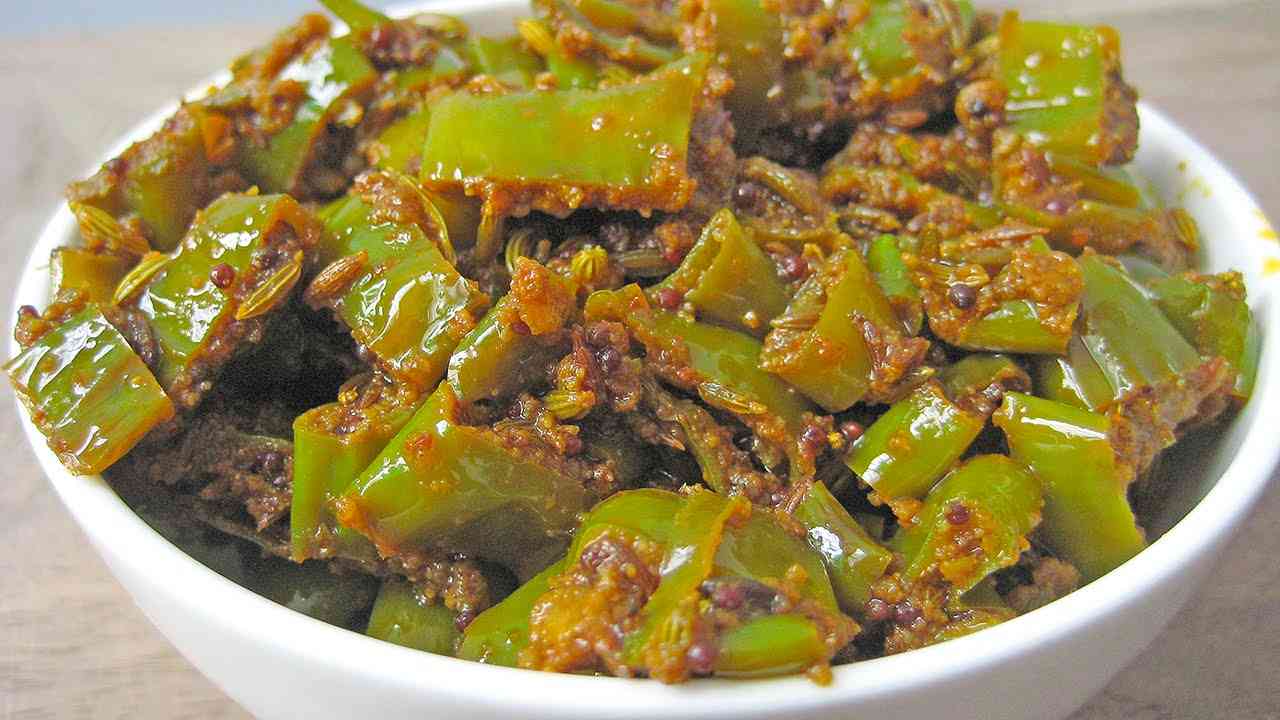
This instant chili pickle is an inevitable part of most of the signature dishes of Rajasthan. Green chilies are simply cut and sautéed with regular Indian spices and cumin seeds in mustard oil. The resultant product is scrumptious tipore that has shelf life of up to one week. Since the procedure of making this exclusive Rajasthani green chili pickle is completely un-pickling, its taste too is un-pickley tart. The crunchy texture of these hari mirch ke tipore tastes heavenly with puri (deep fried Indian bread) and Bati, which is how most Rajasthani people enjoy it.
- Garlic Pickle
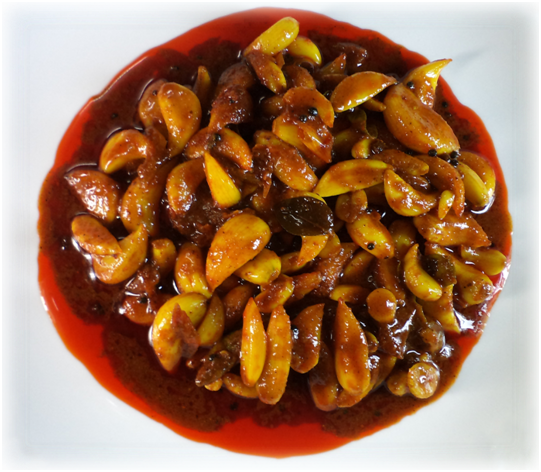
If you have ever tasted the savory dishes of Rajasthan, you’ll immediately pick the obsession Rajasthanis have with the pungent taste of garlic (locally known as lehsun). Evidently healthy and scrumptious garlic has an imperative role to play in the traditional Rajasthani cuisine; extremely spicy Lehsun ki chutney of Rajasthan being the undeniable testimony of the fact. When it comes to the traditional Rajasthani Lehsun achaar, very few things are out there that match with its spicy tart taste, a product of red chili paste, paprika powder, cayenne pepper (yes, all of them!) asafetida, and pungent mustard oil.
- Launji
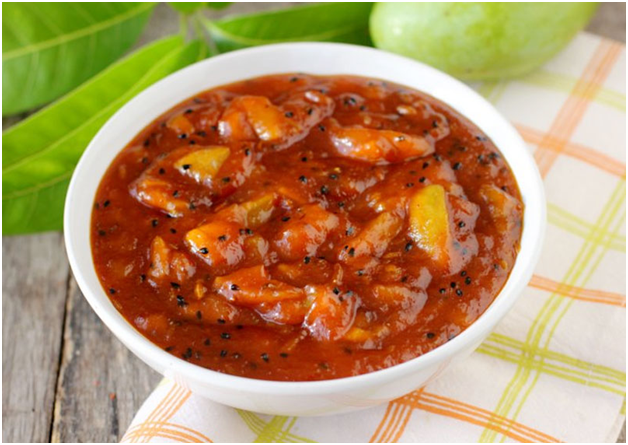
This sweet pickle is favorite among the kids in Rajasthan. The tangy and sweet taste, that can only be produced using raw mangoes, is the result of cooking the fruit with Indian spices and lots of sugar. The sour pulp of the raw mango when cooked in this fusion of sweet-and-savory creates the mouthwatering aroma, which turns into a tingling sensation on tongue and palate, when the Launji is put in the mouth.